


By Susana Suisuiki of RNZ Pacific
A historic cemetery in Rarotonga, Cook Islands, has been vandalised devastating families and local community members.
An Australian-based researcher, who has led the restoration project at the Nikao Cemetery in Rarotonga for 10 years, says those responsible for vandalising the headstones need to be prosecuted.
It was reported this week that a number of headstones were knocked over, including the headstone of researcher Cate Walker’s mother.
Walker was notified by the Cook Islands Investment Corporation this week, who sent pictures of the damaged headstones.
Speaking to RNZ Pacific Waves, Walker said the vandalism was something she never expected could happen in the Cook Islands.
“Cemetery vandalism has never happened before,” she said.
“We were just completely shocked and hurt and devastated because everybody there knows the amount of work that we have put into that cemetery over the last 10 plus years.”
Largest burial site
Nikao Cemetery, facing the Rarotonga International Airport and sitting right along a beach, is the largest burial place site for Cook Islands soldiers who served in the First World War.
It is also the final resting place of expats, tourists and cancer patients, including Walker’s mother Gloria Walker who lost her battle to cancer in 1978.
Walker took an interest in the cemetery over a decade ago when she noticed that some of headstones were being washed away and needed saving. Since then a group of volunteers have regularly kept up the site’s maintenance and restoration efforts.
The restoration project has also prompted Walker to research the Cook Islands’ role in military history.
She said when she started her research, she had no prior knowledge of Cook Islands wartime history but from clearing the cemetery from overgrowth she has identified around 200 soldiers. The veterans buried in Nikao are mostly from the Pa Enua, or the outer islands.
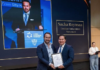
Following its clean up, the cemetery has attracted families to visit and reconnect with their loved ones. In July, Walker and her husband Paul Morrissey were awarded Honorary Permanent Residence in the Cook Islands for the project.
Walker suspects there was more than one person involved in the vandalism. Among the damaged headstones was a soldier whose photograph that had been installed by his family was destroyed.
Mortified by desecration
The desecration of the photograph had mortified Walker.
“Someone has defaced that soldier’s picture, that photo of a soldier on that headstone. That’s a sign of someone who is very sick in my opinion, to do that and to desecrate soldiers in general,” she said.
“I mean that just goes against everything that everyone has learned about respect and respect of our veterans in particular.”
Walker said she had not heard whether the Cook Islands Police had launched an investigation but said they needed to find who was responsible.
“This is not the culture of the Cook Islands, I am highly doubtful that it’s someone who was born and raised in the Cook Islands. So if the police can find these individuals, they need to be dealt with hard by the law.
“They need to be assessed and get the help that they need to move forward with their life, apologise to families and the community, actually the whole community.”
Despite the incident, Walker said the response from the community had been heartwarming and a working bee was planned for the weekend.
She said she hoped there would be a large turnout to help with the cemetery’s team of volunteers and that the vandalism would never happen again.
This story was first published on