


ANALYSIS: By Anna Kapil and Stephen Howes
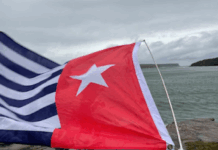
It is well known that the people of Bougainville want independence. In the 2019 referendum, 98.3 percent of them voted for it.
And in 2025, Ishmael Toroama, a strong advocate of independence, was re-elected to the position of President of the Autonomous Region of Bougainville, further confirmation of the widespread support for independence among the people of Bougainville.
But what do the people of PNG think about Bougainville independence? Much less is known about this. As a start, we included a question about Bougainville independence in the 2025 annual survey of University of Papua New Guinea (UPNG) students.
When asking the question, we reminded the students we surveyed of the strong support in Bougainville for independence, and told them that, as mentioned above, “in a recent referendum, an overwhelming majority (98.31 percent) of voters in Bougainville chose to have full independence from PNG over greater autonomy.”
We then asked the students to consider this outcome when selecting from one of four options that we presented to them.
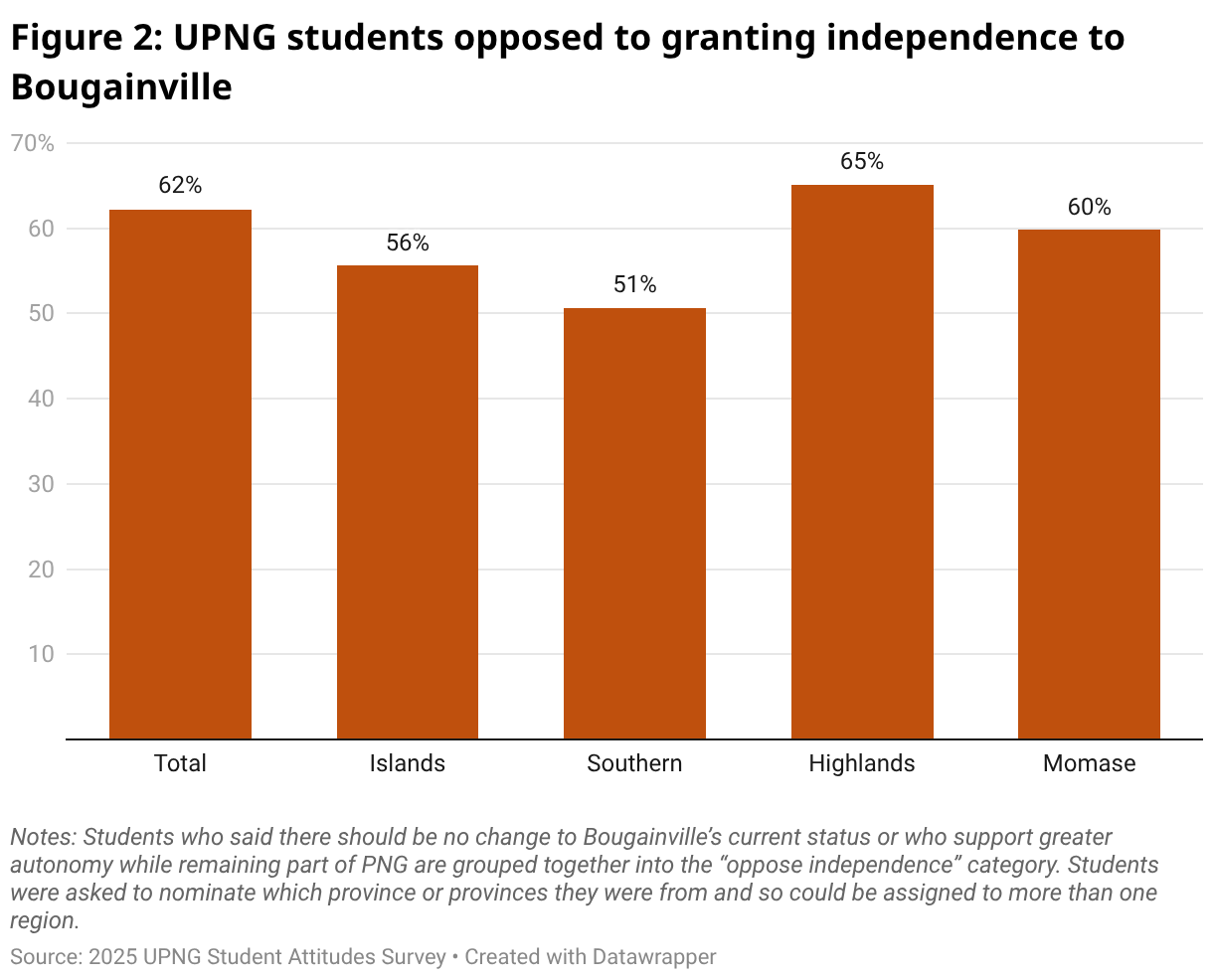
They could say that Bougainville should be granted full independence, that it should remain in PNG with greater autonomy, that they oppose any changes in Bougainville’s current status, or that they were unsure.
Only 27 percent of the 389 School of Business and Public Policy students who took the survey supported full independence. The majority, 59 percent said that Bougainville should remain part of PNG but with greater autonomy. Of the balance, 11 percent said they were unsure and 3 percent said that they supported no change in the current status.
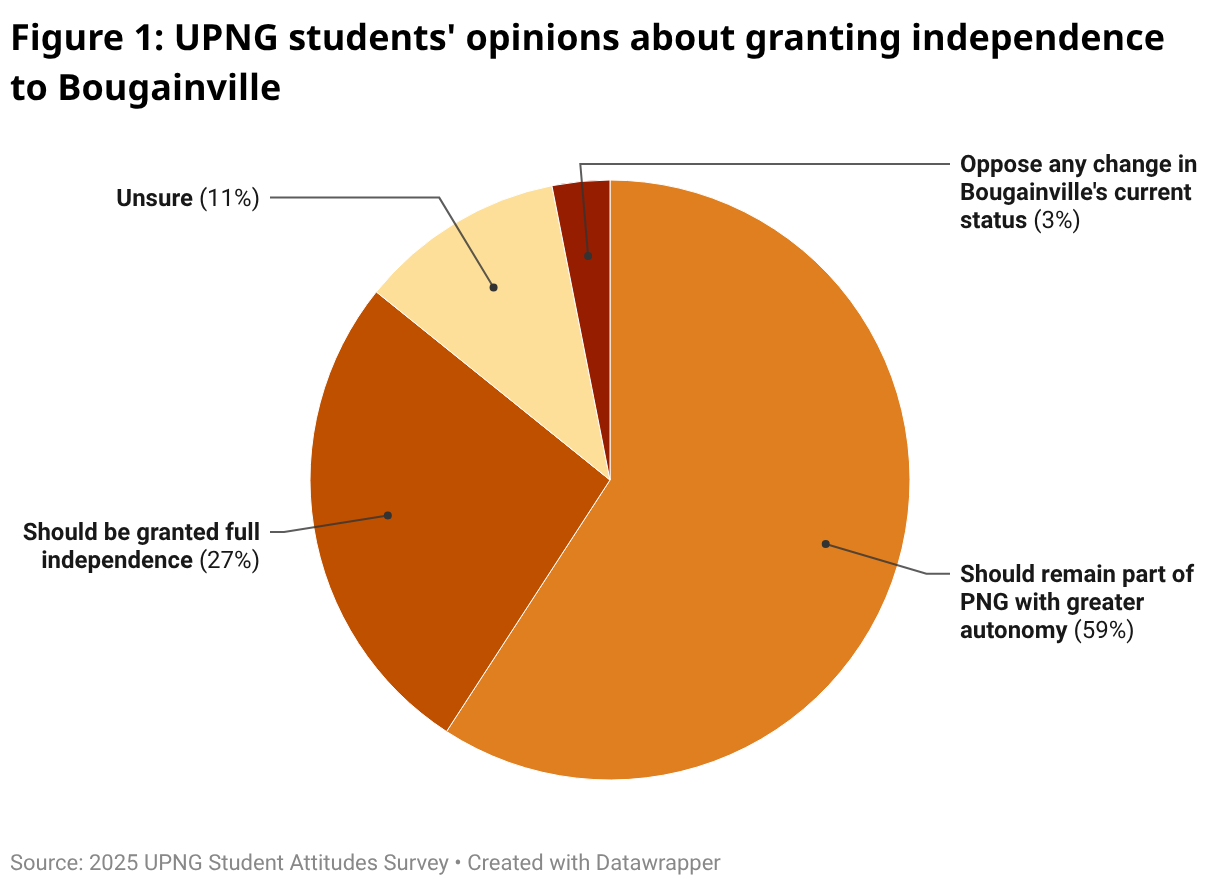
Opposition to independence was widespread across all four regions of PNG, but was slightly stronger among students from the Momase and Highlands regions, and lower among students from the Islands and Southern regions.
However, these differences are not statistically significant. Even in the Islands region, which might be expected to be more sympathetic to Bougainville independence, a majority of students were in fact opposed.
The most supportive was the Southern region, but even there 51 percent of students were opposed to independence.
Female students were slightly more supportive of independence (25 percent male vs 30 percent female). Male students were more likely to support greater autonomy (62 percent vs 52 percent) and women were more likely to be unsure (15 percent vs 9 percent). Again these differences were not statistically significant.
In summary, this survey of some almost 400 UPNG students found widespread opposition to Bougainville independence. We want to stress that we are not endorsing these views, nor criticising them. We are just reporting them.
The opposition we find among students is probably reflective of views more generally in PNG, at least among the elite, and might help explain why PNG’s political leaders are dragging their feet on the issue if not “fundamentally opposed” to independence.
Few, such as the former prime minister Peter O’Neill, have come out openly to express their opposition to independence. But few, such as the late Morobe Premier Luther Wenge, have been openly supportive either.
There seems to be a general reluctance among PNG’s political leadership to respond to the 2019 referendum result, much to the frustration of Bougainville’s political leadership.
On the one hand, it seems that no-one wants a confrontation. On the other, PNG’s political leadership, like UPNG’s student body, doesn’t seem to find the 2019 referendum result a convincing reason to support the cause of Bougainville independence.
If our survey is anything to go by, the PNG elite is willing to compromise (to allow Bougainville greater autonomy) but not to support its break away from the nation.
If Bougainville wants independence, it will have to do more to win hearts and minds in the rest of PNG. Our survey shows that it is not enough to simply reiterate the overwhelming support that independence has within Bougainville.
The students were explicitly reminded of this and still only one-quarter supported independence. If Bougainville is to succeed in its independence aspirations, it will need to do more to convince PNG’s elite, or at least its future elite, why it should be allowed to break away.
Anna Kapil is a Lecturer at the University of Papua New Guinea. She completed a Master of International and Development Economics at the Australian National University. Anna was a Greg Taylor Scholar at the Development Policy Centre.
Dr Stephen Howes is director of the Development Policy Centre and professor of economics at the Crawford School of Public Policy at the Australian National University.
For other findings from the 2025 survey, see this article series and the 2025 PNG Update presentation. The results of the first survey, conducted in 2024, are reported here. Statistical significance was judged using the Chi-square test. Republished from the DevPolicy blog under Creative Commons.