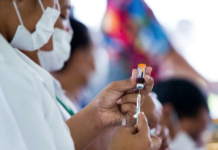




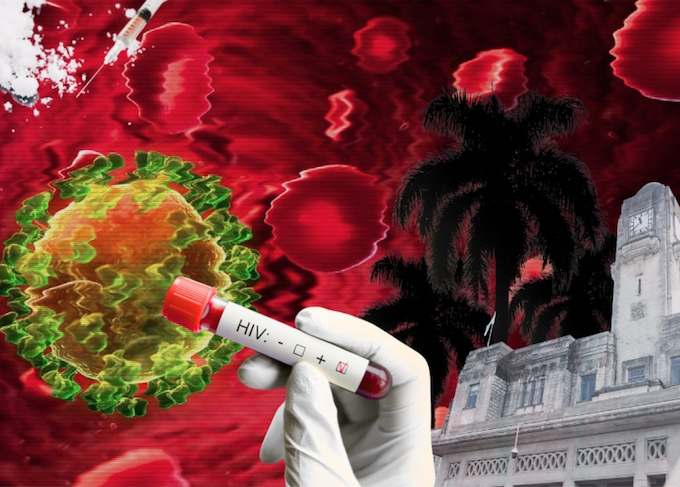
Fiji’s lawmakers have passed legislation allowing the rollout of a needle exchange programme aimed at containing the rapid rise of HIV from intravenous drug use.
The HIV/AIDS (Amendment) Bill 2026, which will introduce evidence-based harm reduction programmes, is being hailed as a “lifeline” for the country.
Fiji now joins Australia, New Zealand and Papua New Guinea as the only Pacific nations with a formal needle and syringe programme.
- READ MORE: Fiji declares HIV emergency as 1 in 60 Fijian adults live with HIV
- Other Fiji HIV reports
Following the passing of the Bill by Parliament on Thursday, Fiji’s Health Ministry described it as a “monumental milestone” in the fight against HIV/AIDS.
Fiji has one of the fastest-growing HIV rates in the world, with the government declaring an HIV emergency last month as one in 60 Fijian adults is now living with the virus.
“To be clear: this does not legalise illicit drugs,” the Ministry said in a Facebook post.
“It legalises compassion. It builds a protective bridge of healthcare to the most vulnerable among us.”
Grounded in human rights
The Health Ministry said the legislation was grounded in human rights, confidentiality, and freedom from discrimination.
“It allows our frontline health heroes, pharmacies, and peer outreach workers to distribute sterile equipment, condoms, PrEP, and life-saving counselling safely and without fear.”
Fijian Health Ministry Dr Atonio Lalabalavu said the Bill sets out what harm-reduction may permit.
“This includes the free distribution of skin-penetrating instruments, including needles and syringes, condoms and condom lubricants, Pre-exposure prophylaxis (PrEP), and other means of HIV prevention,” he said.
“It may also provide facilities for the safe return and management of used items, targeted counselling, information in HIV/AIDS awareness and materials, and referrals to HIV treatment, rehabilitation, mental health and other health and social support services.”
The Bill also allows other measures to be approved by the health minister on the recommendation of the HIV/AIDS Board where those measures are necessary, Dr Atonio added.
This story was first published on