


COMMENTARY: By Adla Alnazer
The IDF’s decision not to open a criminal investigation into the deaths of seven aid workers from World Central Kitchen, including an Australian citizen, drew strong condemnation.
But for Palestinians, this has simply become the norm.
Four years ago, when I arrived from Palestine to study for my Master’s degree in Melbourne, Australia, I had a hard time finalising some paperwork related to government services, simply because I could not create an account. The problem was that my country, at the time, wasn’t listed within the governmental system.
- READ MORE: Palestinian theologian warns against trusting Israel over Hind, medics killings probe
- What did Al Jazeera’s investigation into Israeli war crimes in Gaza reveal?
- Who was Hind Rajab and why is Israel investigating her killing?
- Israeli military launches criminal probes into killings of 5-year-old and paramedics
- Other Gaza genocide reports
There was no “Palestine” or “West Bank” and not even a slot for “Occupied Palestinian Territories”. At another interaction with local bureaucracy, the worker who received my passport commented that it was the first time he had seen a Palestinian one.
“I am sorry,” he said politely, “but I can’t even see it on the map.”
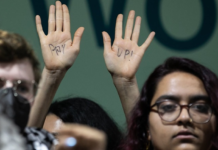
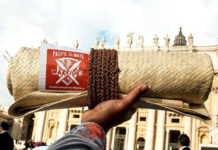
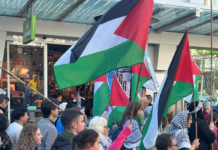
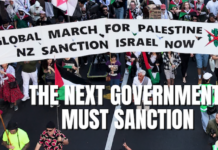
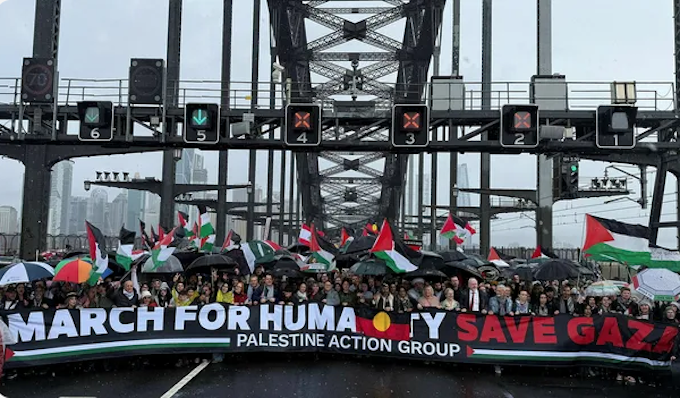
By the time we left Melbourne in 2024 and returned to our home in Ramallah, a lot had changed. For many months, hundreds of thousands of people gathered every Sunday in the city centre, raising Palestinian flags and calling to end Israel’s war in Gaza.
Watching these protests develop and gather steam, I came to realise that they were taking place not because Australia had become as “pro-Palestinian” as some of the media coverage had suggested, but rather because Israel’s image had badly deteriorated.
Australian opinion shifted
In September of 2025, the shifts in Australian public opinion regarding Israel and the occupation found their way into the country’s official policies, when the government in Canberra recognised Palestine. Australia was one of several influential countries to do so in recent years.

One of the most influential turning points in Australian public views of Israel came in April 2024 when an Israeli airstrike on Deir al-Balah killed seven aid workers from the humanitarian organisation World Central Kitchen, among them Zomi Frankcom, a 43-year-old woman from Melbourne.
For many Australians watching the horrors in Gaza from afar, that was the moment the war became personal.
This week, an internal inquiry by the Israeli military determined there was no criminal wrongdoing by any of the officers or soldiers involved in the fatal incident. Two years after the aid workers had been killed, Israel made clear it had no intention to punish anyone for their deaths, or even allow a proper independent investigation.
In Australia, this decision has been received with a mixture of anger and disappointment. The Australian Foreign Minister summoned the Israeli ambassador in protest.
I was following the headlines in Australia’s leading news websites from my home in Ramallah and realised how different my expectations as a Palestinian are from Israel, compared to those of many Australians. For me, there was nothing surprising about the Israeli military shielding soldiers from accountability.
Adla Alnazer is a public policy consultant and former adviser to the Palestinian government. This article was first published by Haaretz.