


By Giff Johnson, Marshall Islands Journal editor/RNZ Pacific correspondent
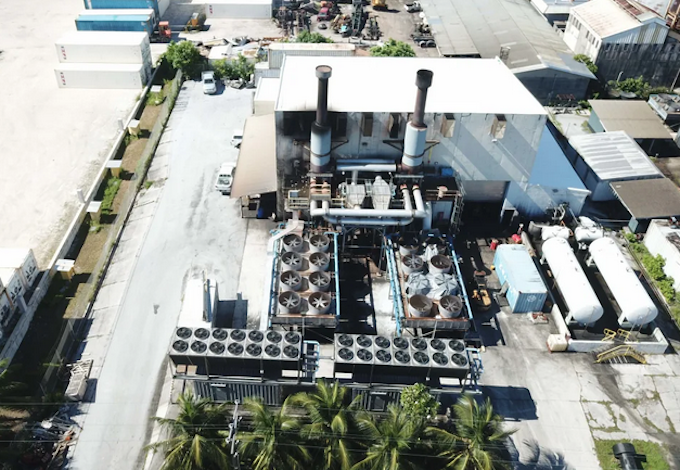
One of the biggest electricity increases in the history of the Marshalls Energy Company was implemented last week — the first of a two-step tariff increase.
Power charges rose by 6c per kWh across the board for government, business and residential.
On May 18, the price will rise another 5c per kWh, to put in place an 11-cent increase this month, according to a “tariff rate adjustment” announcement posted by the government utility company to its website earlier in the week.
The power rate increases are expected to result in local businesses passing on the costs of the 21 percent electricity rate hike to consumers.
This is the latest economic shock, following skyrocketing gas and diesel prices that have seen gas prices at the pump soar to US$8.40 per gallon, and diesel hit the US$10.35 mark. These led the local taxi industry to implement a 50 percent hike in taxi fares.
While these fuel shocks continue to cascade in this small island nation, the government has responded in an unprecedented way, with more initiatives that put money into the hands of Marshallese citizens.
The Marshall Islands government delayed the power company’s need to raise rates by providing a US$4 million subsidy for its power plant fuel purchase in early April.
Postponed tariff
The aim, said Finance Minister David Paul, was to postpone the power company’s tariff increase to allow time for a new tax break to take effect, putting additional money into the every-two-week paychecks of local workers.
In late April, a few days before the power rates increased, the government’s unprecedented tax cut went into force, giving all workers paid on a biweekly basis US$25.60 more net income per paycheck.
This plan was initiated over a year ago as part of a major revamp of the tax system and was supposed to go into effect next year.
But when the US and Israel attacked Iran at the end of February, the measure that exempts the first US$8,320 from eight percent income tax was fast-tracked to go into effect at the end of April.
Finance Minister David Paul said in an interview this week that workers in Marshall Islands will take home an additional US$665.60 on an annual basis from this initiative. It is the latest demonstration of President Hilda Heine’s government putting money into the hands of individual citizens.
During her first term in office, from 2016-2020, Heine negotiated with the World Bank to support an Early Childhood Development programme to focus on cash transfers to mothers of children from birth to five years of age to counteract severe malnutrition in this age group.
Since its inception in 2019, the World Bank-funded programme is now in its second phase and has injected US$40 million into the project. Mothers receive debit cards associated with their bank accounts at Bank of Marshall Islands and the programme provides regular conditional cash transfers to the mothers to help with needs of their young children.
‘Individual Support Distribution’
As a result of a proposal pushed by Paul when he was an opposition member of Parliament in the 2022-23 period, United States and Marshall Islands negotiators included an “Individual Support Distribution” provision in the Compact of Free Association treaty between the two countries.
This set the stage for the Marshall Islands to become the first nation ever to provide universal basic income quarterly payments to every citizen when the program started last November with a payment of $203 to 33,000 citizens.
Since then, an additional 7000 signed up so the universal basic income programme is paying 40,000 people per quarter at a rate of about $160.

The third quarterly payment for universal basic income recipients is expected to be released at the end of May.
A new social support system that pays a $100 per month stipend to people with disabilities of any age and retirees who are not otherwise eligible for retiree payments was rolled out in April. This is putting cash into the hands of over 1000 Marshallese citizens each month.
The tax reduction for workers, the universal basic income programme, the social support system monthly stipends, and the Early Childhood Development programme are all putting money into the hands of citizens in the Marshall Islands.
Whether these cash programmes are enough to mitigate the inflation caused by the attack on Iran remains to be seen. On top of this, a $9 million grant from the World Bank, negotiated over a week ago, is now pending final board approval, said Paul.
Budgetary support
“This will be a grant for government “budgetary support,” meaning it is to “help us navigate through this crisis,” he said.
The Marshalls Energy Company’s rate hike means that the cash power charges will increase twice in two weeks. The following shows the previous rate compared to what the rate will be per kWh from May 18 once the entire 11 cent increase is factored in.
- Government from 52¢ to 63¢
- Commercial from 51.6¢ to 62.6¢
- Residential from 43.2¢ to 54.2¢
“The $4 million subsidy in April bought some time to allow the tax cut to go into effect,” said Paul. “Any increase is hard for families, but MEC (Marshalls Energy Company) is giving it incrementally.”
Paul added: “There are no easy answers (and) we don’t know how long this (high prices) will go on. Everything is aimed for MEC to land on firm footing and avoid insolvency.”
The Finance Minister said the next universal basic income payment will be out at the end of May, providing $6.5 million to 40,000 Marshallese.
This article is republished under a community partnership agreement with RNZ.