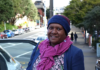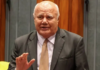

UN Special Rapporteur Francesca Albanese has released a blistering report on media complicity in war crimes as Israelis headed to the polls. Michael West Media reports.
REVIEW: By Aleta Moriarty
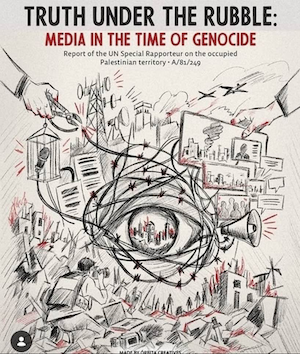
Israeli forces have killed between 209 and nearly 300 journalists and media workers in Gaza and the Occupied Palestinian Territories since October 2023, depending on when data was collected, and Western outlets routinely omitted or downplayed Israel’s responsibility in their headlines, according to the latest United Nations Special Rapporteur report.
The report, Truth under the rubble: media in the time of genocide, by Special Rapporteur Francesca Albanese, was presented to the General Assembly recently and publicly launched yesterday.
It finds Israel’s failure to stop incitement on its airwaves is a continuing breach of the Genocide Convention and defies the International Court of Justice’s January 2024 order to prevent and punish it.
- READ MORE: The BBC and Western media have a case to answer over Gaza
- Other Gaza genocide and media reports
It also puts broadcasters and social media companies on notice: since that order, saying no platform can claim ignorance of the risk, and where a company knowingly provides practical assistance that has a substantial effect on international crimes, “questions of complicity arise”.
Massive toll on Palestinian journalists and their families
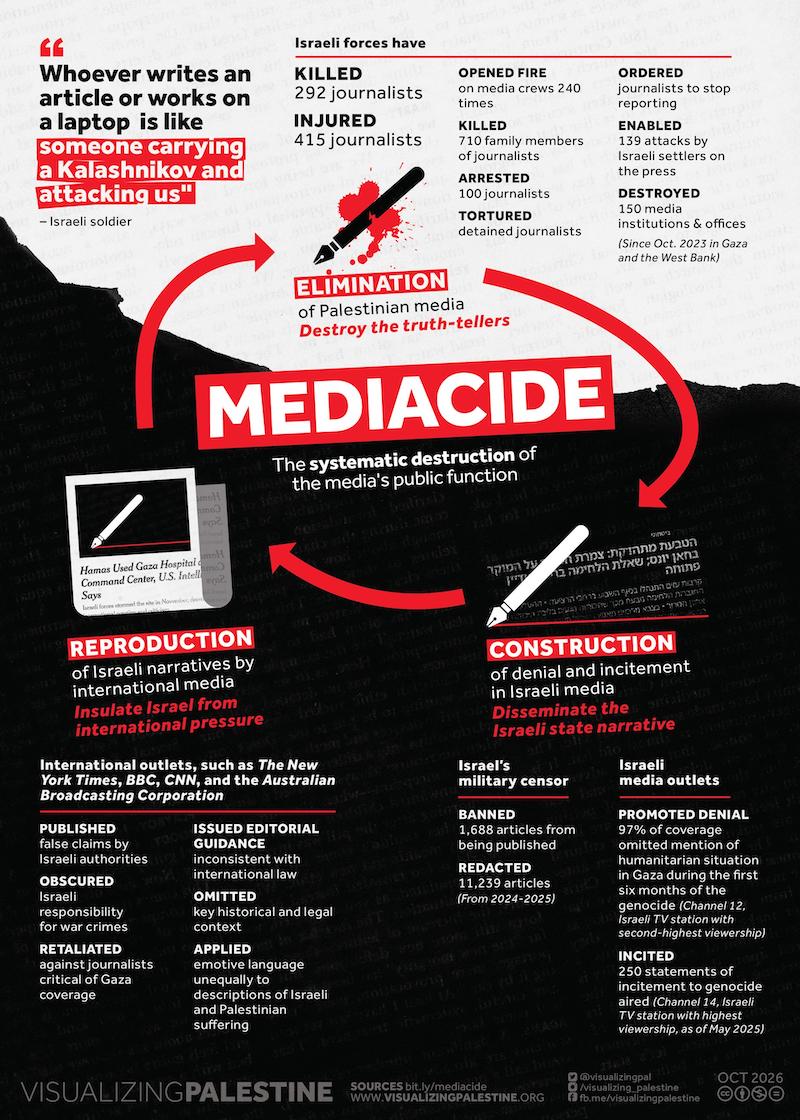
The Committee to Protect Journalists calls Gaza the deadliest war for journalists ever recorded. Israeli forces have wounded more than 400 journalists, and the report finds around
70 of those killed were killed as reprisal for their work.
More than 150 journalists’ homes and media offices and institutions have been destroyed, and Israel has completely destroyed 81 percent of Gaza’s information and communications infrastructure.
This devastation has not just been focused on the journalists, with around 710 journalists’ relatives also killed, 436 of them in the first four months alone.
Deliberate targetting
Photojournalist Fatma Hassouna was killed with five family members when precision-guided munitions struck their apartment in April 2025, a day after her documentary about life during the genocide was selected for Cannes.
In August 2025 a “double-tap” strike on Nasser Hospital killed 22 people. The first strike killed Reuters cameraman Hussam Al-Masri, and the second killed four more journalists who had rushed to the scene.
Israel said it had hit a “Hamas camera” — it belonged to Reuters.
Israel’s military says it does not intentionally target journalists. In October 2023 the Israeli military reportedly set up a “legitimisation cell” that has systematically recast Gaza-based journalists as “Hamas operatives”, the report says, creating a pretext before attacks and a justification after them.
More than 100 Palestinian journalists and media workers have been detained since October 2023, and around 30 are still held. Those released describe physical assaults, sexual violence including rape, forced stress positions, sensory deprivation and medical neglect.
Dehumanisation and incitement to genocide
Under Article III of the Genocide Convention, direct and public incitement to commit genocide is a crime in its own right, the report explains, “complete upon utterance or publication and applicable to officials, broadcasters and private media actors”.
No one has to act on it. Albanese finds that some statements broadcast in Israel meet that threshold.
Most people picture arms manufacturers when they think of business entities complicit in genocide. However, according to a 2024 Israel Law Review paper on Ben & Jerry’s exit from Israeli settlements, only two cases before international criminal tribunals since Nuremberg have held individual corporate defendants accountable, and both arose from Rwanda’s 1994 genocide.
The best known is the Media Case. In December 2003 the International Criminal Tribunal for Rwanda convicted RTLM executives Ferdinand Nahimana and Jean-Bosco Barayagwiza, whose station became known as “Radio Machete”, along with Kangura owner and editor Hassan Ngeze.
A third case, against RTLM founder Félicien Kabuga, collapsed when he was found unfit to stand trial.
Broadcasters culpable
Albanese leans on the Nahimana judgment to argue that when presenters’ calls for genocide go unchallenged and unrepudiated by the broadcaster, the people who control the outlet carry the responsibility.
There are several worrying examples cited in the report. Channel 14 aired singer Eyal Golan’s call to “erase Gaza, don’t leave a single person there”, along with statements calling for a “Holocaust”, including “gas chambers”, and urging viewers to “destroy, kill, and obliterate”.
Three Israeli civil society groups listed hundreds of instances of incitement on the channel in a May 2025 High Court petition, yet the broadcasts continue unchecked. Channel 12 journalist Yehuda Schlesinger, who argued sexual violence against Palestinian detainees should become state policy, was temporarily suspended, then joined Channel 14.
Mainstream and pro-government Israeli media have described Palestinians as “Amalek”, “monsters”, “a cancerous growth” and
even “cannibals” who “must be eradicated”.
The report says this rhetoric comes with a denial of civilian status, with Israeli media asserting that “there are no innocents” in Gaza, that Palestinians are “not civilians” and that Gaza is inhabited by “two and a half million terrorists”.
Double standards and censorship
The report highlights how Western outlets widely reported unverified claims, including that Hamas beheaded babies on October 7 and that Palestinian journalists killed by Israel were “terrorists”, the report says, while corrections received far less prominence.
German broadcaster ARD’s editorial guidance presents civilian casualties as primarily a consequence of Hamas’s alleged use of “human shields”. Much of the media reproduced what Albanese calls “humanitarian camouflage”, presenting so-called safe zones and evacuation orders as civilian protection.
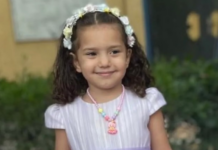
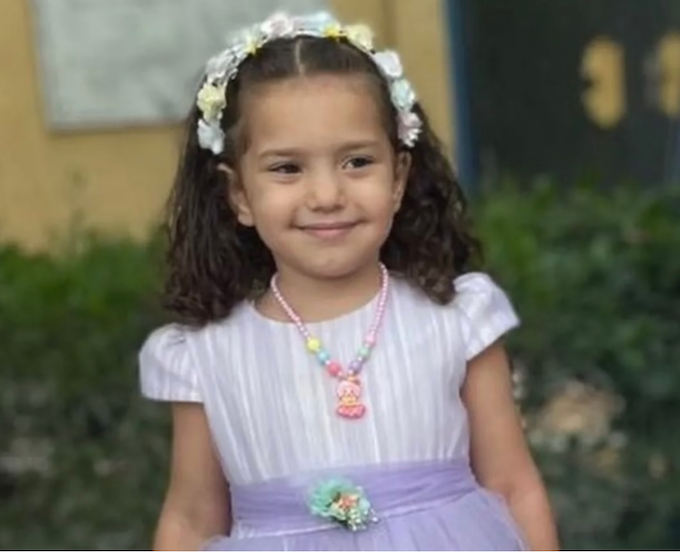
Content analysis cited in the report found the BBC downplayed or omitted Israeli responsibility in 83 percent of relevant headlines, and The New York Times in 65 percent. The BBC still runs its story on six-year-old Hind Rajab, killed by Israeli forces, under the headline
“Hind Rajab, 6, found dead in Gaza days after phone calls for help“.
Between October 2023 and August 2025, The Times invoked Hamas “human shields” 176 times and the BBC 81 times. The Times mentioned sexual violence against Israelis 76 times and against Palestinians four times across two sample periods.
At Germany’s ZDF, 90.7 percent of uses of “barbaric” referred to Israeli victims, and the word was never applied to attacks on Palestinians. Palestinian children made up about 99.7 percent of child deaths, yet appeared in just over half of CNN’s personalised stories about child victims.
Israel’s most important ‘weapon’
Alongside propaganda, high levels of censorship are also reported. Israel’s military censor banned 1635 articles in 2024 and redacted another 6265, 21 interventions a day. Prime Minister Benjamin Netanyahu has described social media to US-based influencers as Israel’s most important “weapon” in what he calls the “battle for truth”.
The report also explicitly names Antoinette Lattouf,
unlawfully dismissed by the ABC after reposting a Human Rights Watch report on starvation in Gaza.
The report saves some of its sharpest findings for tech companies.
With Palestinian journalists killed and foreign media shut out of Gaza, Meta, X and Alphabet Inc. (Google) became the principal gatekeepers of information on Palestine, and the report finds recurring patterns of discriminatory moderation, censorship and amplification of Israeli government narratives.
Leaked Meta data shows about 38.8 million Facebook and Instagram posts have been removed, banned or suppressed since late 2023, and engagement with major Palestinian news outlets has fallen 77 percent. TikTok and Meta reported compliance rates of 99.2 and 94 percent with Israel’s takedown requests.
Meta had been warned before.
In 2018 the UN fact-finding mission on Myanmar found Facebook had been “a useful instrument for those seeking to spread hate,” a conclusion Meta’s own commissioned assessment accepted.
Israel signed contracts worth roughly US$50 million, including with Google and X, for ads dismissing famine reports, among them a message telling viewers “There is food in Gaza. Any other claim is a lie“.
Platforms kept taking that money after famine had been confirmed and the International Court of Justice (ICJ) had ordered aid let in. Google reportedly concluded the famine-denial ads didn’t breach its policies, and it carried paid ads calling the ICJ genocide case a “blood libel”, discouraging donations to the United Nations Relief and Works Agency for Palestine Refugees (UNRWA) and attacking Albanese’s previous report.
Platforms also left up campaigns smearing Palestinian journalists before they were killed, including claims that Reuters and AP reporters had advance knowledge of October 7, which both agencies refuted.
What the report demands
Albanese wants the International Criminal Court (ICC) prosecutor to investigate direct and public incitement to genocide by government officials and media figures, and the UN General Assembly to set up an independent mechanism to preserve evidence of crimes against journalists, secure the release of detained journalists and open Gaza to international media and human rights monitors.
Governments are urged to prosecute attacks on Palestinian journalists, treat their footage and archives as evidence, and review public funding and partnerships with media organisations and platforms that spread incitement or help conceal atrocity crimes.
Media organisations and platforms are told to stop “laundering propaganda through the journalistic form”, verify belligerents’ claims before publishing, run corrections as prominently as the original story and stop retaliating against journalists.
“Accountability depends on the survival of the record,” the report concludes. “Without it, neither justice nor the prevention of future atrocities remains possible.”
Aleta Moriarty is a practitioner researcher in human rights, disability inclusion and gender. She is completing a PhD at the University of Melbourne and has 20 years of experience working across agencies including the United Nations, UN Women, World Bank, and the University of Melbourne. She is currently standing as an independent candidate for Western Victoria. Her website is www.aletamoriarty.com