


By Johnny Blades of RNZ Pacific
A leading West Papua pro-independence group has questioned Indonesia’s assertion that a proposed visit by the United Nations High Commissioner for Human Rights to West Papua is “on track”.
The West Papua National Committee (KNPB) is urging Indonesia to put its words into action on the proposed visit with a clear date, genuine access and meaningful engagement.
This comes after Melanesian countries last week urged Jakarta to facilitate the long-requested visit or have Indonesia’s status as an associate member of the Melanesian Spearhead Group reviewed.
- READ MORE: West Papua: The Pacific’s new test of Indonesia’s sovereignty narrative — Ali Mirin
- UN human rights commissioner visit to West Papua on track, says Indonesia
- Other West Papua reports
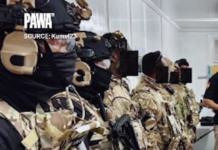
A request for the visit was made by Pacific Islands Forum countries back in 2019, but it has still not gone ahead, despite ongoing armed conflict and human rights violations in Indonesian-ruled Papua region, known internationally as West Papua.
In the intervening years, frustration has built up among the Melanesian countries in particular that Indonesia has not yet allowed the visit to take place.
In response to last week’s statement from the MSG, the Indonesian government told RNZ Pacific that the visit was on track, without elaborating on details.
“We are always in constructive discussion on the issues deemed important by other members of the MSG, and we can also confirm that the said proposed visit is on the right path,” an Indonesian spokesperson said.
Concrete, verifiable action
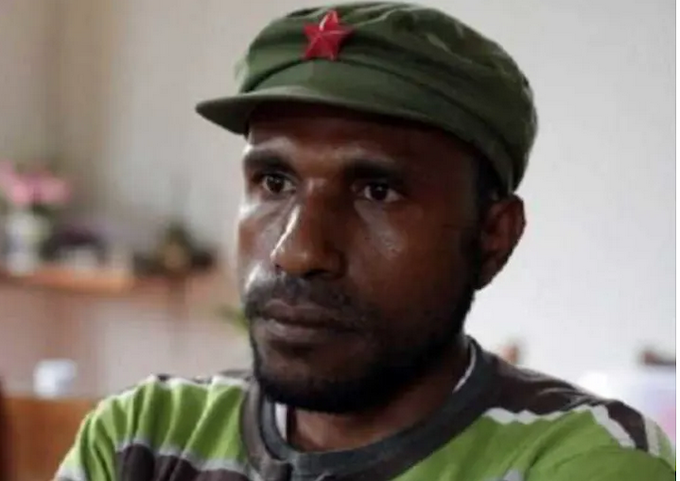
The KNPB’s international spokesperson, Victor Yeimo, said that for the Papuan people, Indonesia’s statement about the visit being on track must now translate into concrete, verifiable action.
“If the visit is genuinely on track, we respectfully ask: What is the timeline? What practical arrangements are being made? And when will the High Commissioner be able to visit West Papua and engage directly with the Papuan people?” he asked.
“The question is whether the United Nations’ highest human rights official will now be given meaningful and independent access to assess the wider human rights situation.”
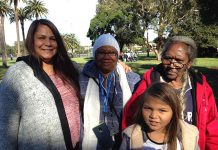
Yeimo said that in Papua the High Commissioner should be allowed to engage freely with Indigenous communities, victims of human rights violations, displaced persons, civil society, churches, human rights defenders and other affected communities.
“Such engagement should take place without intimidation, surveillance or reprisals, and without restricting who communities are able to speak with or what concerns they are able to raise.
“The Papuan people do not ask the international community simply to accept our narrative. Nor do we ask it simply to accept Jakarta’s narrative,” Yeimo said.
“We ask the United Nations to come, listen directly and assess the situation for itself. That is the purpose of an independent human rights assessment.
This story was first published on