




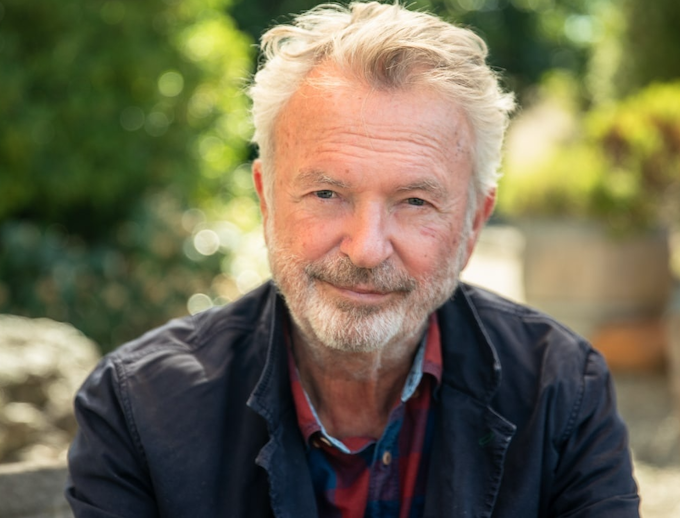
Sam Neill was New Zealand’s biggest international film star, yet was a modest man who shied from the media spotlight. He has died at 78.
He was born in Northern Ireland to a British mother and a New Zealand father stationed there with the British army.
The family moved to New Zealand when he was 8, and it was at school in Christchurch that he first took the name Sam.
- READ MORE: Actor Sam Neill’s final take — Megan Mackander of ABC
- Tributes flow for actor Sir Sam Neill, dead at 78
He had been baptised Nigel John Dermot Neill, but changed because there were a lot of Nigels at the school.
His interest in acting originated at Christ’s College, where he became involved in the school drama society.
He continued to act at Canterbury University, and after graduating with a BA joined a troupe of traveling players who toured the country performing plays for schools.
In 1971 he joined the National Film Unit as a director of documentaries.
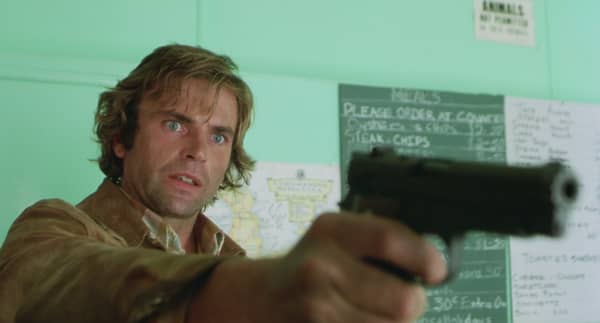
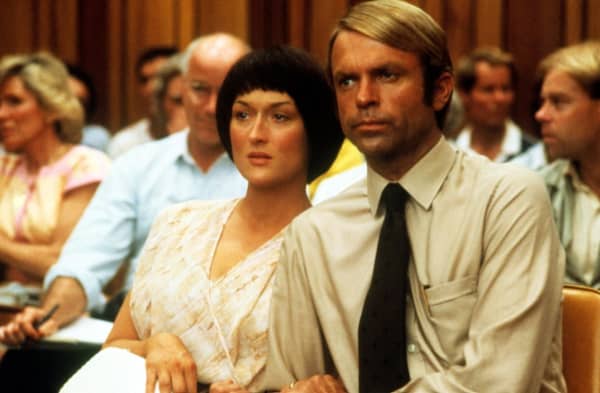
He made his acclaimed debut as a film actor in 1977 in the hit Sleeping Dogs and shot to international attention in the Australian film My Brilliant Career.
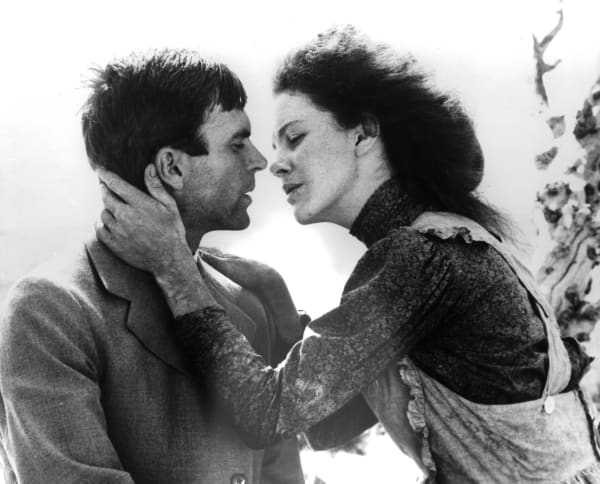
His other movie credits include the box-office hits Jurassic Park, and The Piano, as well as Evil Angels, Plenty, Dead Calm, The Hunt for Red October and Sirens.
He also wrote and presented Cinema of Unease, a history of film in New Zealand.
Despite his success, Neill never saw himself as a star and was once quoted as saying he regarded himself simply as a working actor who was in demand.
He received an OBE in 1995 for his achievements in the film industry and, while working mainly overseas, maintained a home near Queenstown.
Neill was made a Knight Companion of the New Zealand Order of Merit in 2022. And in late 2025, he joined the ranks of Dame Julie Christie and actor and director Oscar Kightley in being named a NZ Screen Legend.
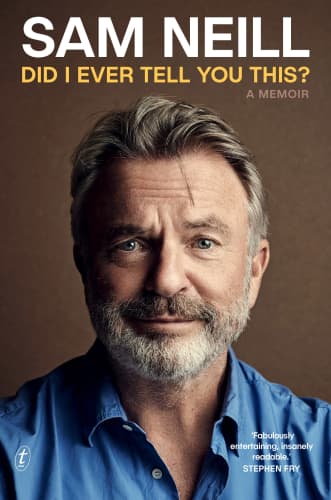
In his 2023 memoir, Did I Ever Tell You This?, he revealed he was “possibly dying” with stage-three non-Hodgkin lymphoma.
But earlier in 2026, he said he had lived with the blood cancer for about five years but his chemotherapy treatment eventually stopped working.
“I was at a loss and it looked like I was on the way out, which wasn’t ideal, obviously,” he told Australia’s Channel Seven News.
The actor was treated with CAR T-cell therapy, which uses a disabled virus to genetically reprogramme human infection-fighting T-cells, enabling them to target specific cancers.
“I’ve just had a scan just now, and there is no cancer in my body — that’s an extraordinary thing,” Neil said.
In announcing his death, Neill’s family said he had been still living cancer-free.
He is survived by his four children and eight grandchildren.
This story was first published on