

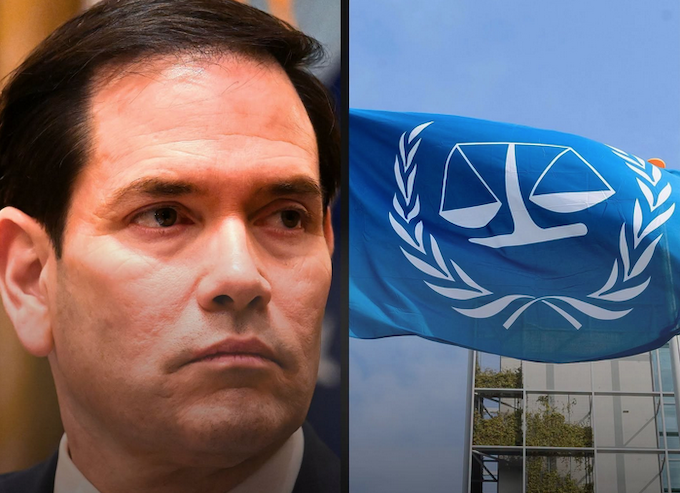
The strongest sign that the International Criminal Court (ICC) still has teeth is that the most powerful administration in the world is trying to pull them out.
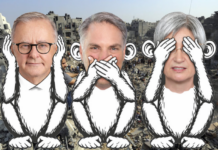
Secretary of State Marco Rubio declared this week that the Trump administration would use “all the tools at our government’s disposal” to “dismantle” the ICC, calling it a body run by “smug globalists” and “hostile Third World governments” whose investigations into US officials would mean “the death of the US as a sovereign and independent nation”.
Analysts and legal observers say the real motivation may have less to do with protecting American soldiers and more to do with protecting the people currently in power.
- READ MORE: Trump administration vows to ‘disable’ International Criminal Court
- NZ called on to back international law in ICC vote – ‘don’t throw in towel’
- Mamdani: Netanyahu is a war criminal, but New York cannot arrest him
- Other ICC reports
The ICC, based in The Hague in the Netherlands, was established in 2002 to prosecute war crimes, genocide, and crimes against humanity. The US has never ratified the Rome Statute, meaning the court does not have automatic jurisdiction over American officials.
Congress reinforced that position the same year by passing the American Service-Members’ Protection Act, which prohibits cooperation with ICC investigations and authorises the president to use military force to free any American detained by the court — a provision widely known as the “Hague Invasion Act”.
What has shifted is the scale of potential exposure. Trump launched a war against Iran that legal scholars describe as illegal under international law.
A missile strike on the first day of the war on February 28 killed more than 100 children at a school in Minab in the southeastern Iran, with a preliminary military investigation concluding the US was likely responsible.
Mamdani: Netanyahu is a war criminal, but New York cannot arrest him https://t.co/8rHXkij1xH via @AJEnglish
— David Robie (@DavidRobie) July 22, 2026
Trump has also repeatedly threatened to bomb civilian infrastructure, and in April told Iran that “a whole civilisation will die tonight” unless the Strait of Hormuz reopened, language legal experts say could constitute incitement to genocide under international law.
At home, the Supreme Court’s 2024 ruling in Trump v United States granted presidents “absolute immunity” from criminal prosecution for official acts, closing the domestic accountability door.
The ICC remains one of the few avenues where accountability could still theoretically apply.
Rubio’s campaign to dismantle it is, in that context, less a defence of American sovereignty than a bid for permanent impunity.
Republished from BP Daily under Creative Commons.