




Asia Pacific Report
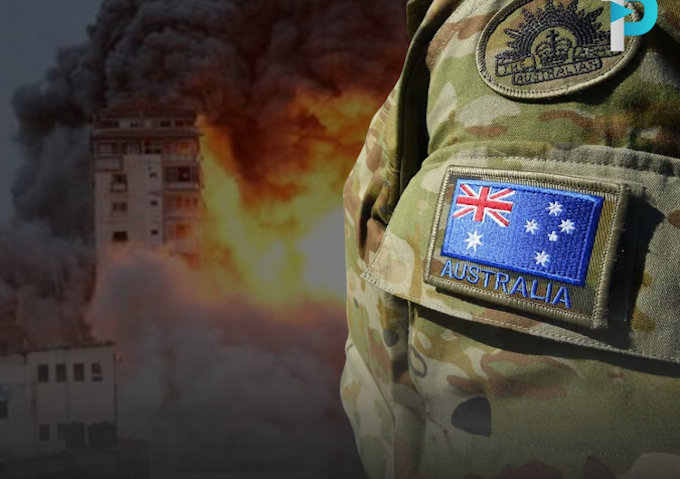
The issue of Australians — and New Zealanders as well — serving in the Israeli military has sparked growing debate as the genocidal war crimes in Gaza mount.
Most of those involved are believed to be dual Israeli-Australian citizens, and under current Australian law, it is not automatically illegal to join a recognised foreign army, reports OnePath Network.
However, critics say the lack of transparency, including unclear numbers, roles, and oversight, is troubling, especially while international courts are examining serious allegations linked to the conflict.
- READ MORE: Thousands of Western nationals fought Israel’s war on Gaza: What to know
- Other Gaza genocide reports
Proceedings at the International Court of Justice (ICJ), where Israel is on trial for genocide in a case brought by South Africa, and International Criminal Court (ICC) warrants for Israeli Prime Minister Benjamin Netanyhu and other officials have intensified questions about Australia’s responsibility to monitor its citizens abroad.
According to an Al Jazeera report, more than 50,000 Western nationals — most of them holding US or European Union passports — have joined the Israeli military in its genocidal war that has killed more than 72,000 Palestinians.
The largest number is from the United States — 12,350 dual nationality US-Israel citizens and 1207 multiple nationalities — followed by 6127 French dual national citizens and 337 multiple nationalities, according to data obtained by the Israeli NGO Hatzlacha through Israel’s Freedom of Information Law.
Australia is well down the list with 502 dual nationality soldiers and 119 multiple nationality citizens. New Zealand is 56th with 39 and 11.
Accountability major concern
A major concern being raised is accountability: if any Australians serving in Gaza were involved in alleged war crimes, would they actually be investigated?
Legal experts say Australia has “universal jurisdiction” laws, meaning citizens can theoretically be prosecuted for serious crimes committed overseas, but so far, there has been little public evidence of active investigations.
Critics argue this creates a perception of double standards.
The debate ultimately centres on whether Australia is willing to apply the same scrutiny to its own nationals in foreign conflicts, ensuring that military service abroad does not place individuals beyond the reach of the law.
Similar questions apply to New Zealand.