



By Anish Chand in Suva
How Pacific live media communications have changed in the past 21 years.
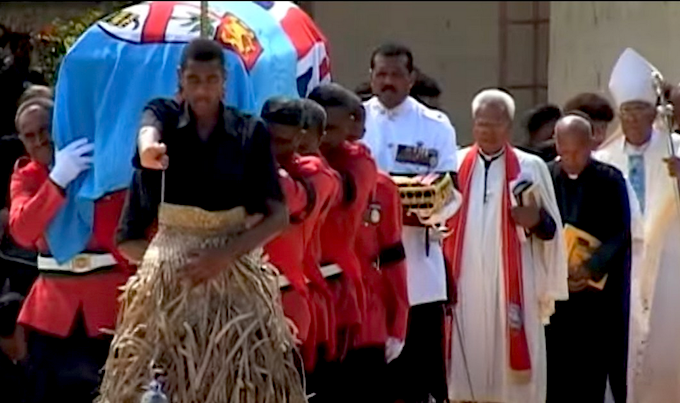
In May 2004, the live broadcast of Ratu Sir Kamisese Mara’s funeral from Lau required a complex and resource-intensive setup.
Fiji TV relied on assistance from TVNZ, deploying a portable satellite installation to transmit signals from Lau to a satellite up in the sky, then to Auckland, back to another satellite, and finally down to Suva.
This set-up required approval from FINTEL.
This intricate process underscored the technological limitations of the time, where live coverage from remote Fiji areas demanded significant logistical coordination and international support.
Fast forward to 2025, 21 years later, and the communication and media landscape in Fiji has undergone a remarkable transformation.
Today, I see video production houses, TV stations, radio stations, and newspaper media outlets delivering live coverage directly from Lau.
This shows how high-speed internet, mobile networks, and portable streaming devices like Starlink has eliminated the need for cumbersome satellite relays. No approval from any authority.
Where once international partnerships were essential, today’s media teams in Fiji can operate independently, delivering seamless live coverage of cultural, political, and social events from even the most isolated areas.
Republished from Fiji Times managing digital editor Anish Chand’s social media post with permission. He is a former Fiji TV news operations manager.