

OBITUARY: By Joel Paredes
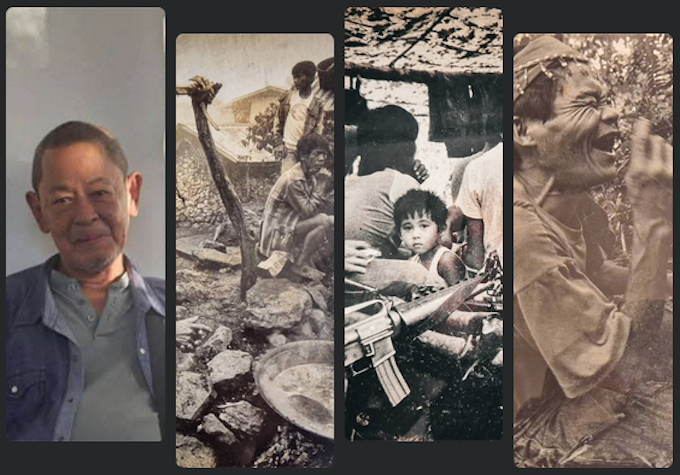
Having known the Filipino photojournalist Alex Baluyut, who died yesterday aged 69, for nearly half a century, I feel that looking at his photos — how he documented the events that unfurled during his lifetime — reveals his own lifelong search for himself.
By documenting the rawest parts of human existence, including war, poverty, and the shifting tides of our history, he was reconciling his own place within those same struggles.
Whether on the frontlines of conflict in Mindanao or the troubled streets of Metro Manila, he wasn’t just looking for a story; he was searching for a sense of truth.
I first knew Alex when he was a photographer for the Associated Press. In those days, film was expensive, but it was not a constraint for him.
Having the resources of a major agency gave him a distinct advantage over his colleagues. I noticed how he loved documenting every movement of a subject, while others were often content with a single “good shot” for the day’s coverage.
It surprised me when, after we were dismissed from the Times Journal for union work and were organising a new daily with the late Joe Burgos, Alex approached me and Chuchay Fernandez. He asked if he can join Pahayagang Malaya.
He didn’t focus on the economic difficulties of a struggling paper, but instead embraced the challenge of being part of the “Mosquito Press” during the darkest days of the Marcos martial law era, especially during the surge of outrage following the death of opposition leader Benigno Aquino.
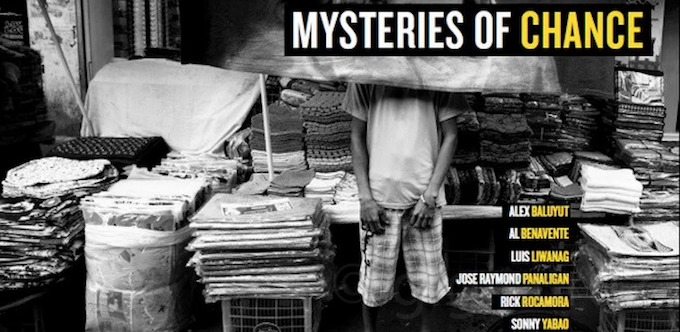
Risky coverage
Alex was not just focused on protest rallies, his main assignments then. Together, we planned risky coverage of the underground movement, which took us to dangerous locations, including Mindanao to cover the Moro secessionist rebellion.
During the 76-day war in Lanao del Sur, Alex was hesitant to leave even after we received reports of napalm bombing; he stayed until it became clear the site was impossible to reach.
On one occasion, we braved a torturous hike to reach a MILF (Moro Islamic Liberation Front) camp on the border of Lanao and Maguindanao to take the first-ever photos of their forces in formation at their own campsite.
Even then, I noticed a shift in Alex’s mood. His adrenaline was fueled by a drive to expose the plight of the aggrieved, a mission that eventually brought us to the countryside to cover the communist insurgency.
His photos were not always meant for the newspapers; they were documenting the struggle so that people might understand it. Eventually, the pressure of witnessing the stark truths of an armed struggle took its toll on him.
Interestingly, the photos Alex provided me from his documentation of the underground movement did not show the stark reality of a rebellion, but rather the communities where he was immersed.
He was the best man at my wedding, and my only lament was that he failed to document the ceremony. Instead, he handed me and Merci a photo of a smiling Mangyan — a rare subject given his usual themes.
He told me it was his way of wishing us a happy life.
Mobile kitchen project
Alex also sought to chart a life beyond photojournalism. Driven by his love for cooking, he and some friends set up a small beer garden on the sidewalks of Ermita, which sparked his adventures in the restaurant business.
It was no surprise then that he eventually devoted his remaining years to serving the needy during calamities, co-founding the Art Relief Mobile Kitchen with his wife, Precious.
The news of Alex’s passing from cirrhosis of the liver stunned me, especially knowing the impact our late colleague Tony Nieva had on both of us. Tony also succumbed to the dreaded illness.He was our mentor in the struggle for press freedom and in documenting the lives of the downtrodden.
After Tony passed away, I rarely saw and worked with Alex, except for a few commissioned book projects.
Although I monitored his journey through social media and felt a sense of guilt for not joining his new advocacy, I am grateful to have been part of the life of a man who sought the truth in our ailing society and worked, in his own way, to lift the spirits of the marginalised.
Joel C. Paredes is a Filipino journalist and author who has contributed to BusinessMirror and other Philippine media outlets. He has written about local politics and Philippine history, including a 2010 collection of columns about the Gloria Macapagal-Arroyo administration.