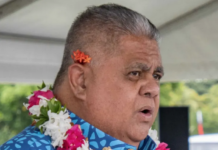



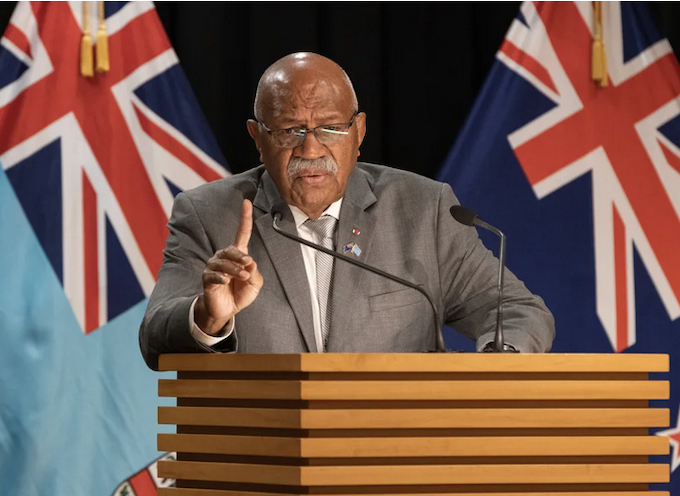
Fiji Prime Minister Sitiveni Rabuka says his government will not interfere with the work of the country’s anti-corruption body following the latest turn of events involving a British-Fijian national.
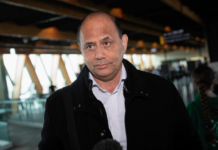
On Monday, Charlie Charters, a former Fiji Rugby administrator and a journalist, was released on bail by the Suva Magistrates Court after being charged with aiding and abetting an unknown Fiji Independent Commission Against Corruption (FICAC) whistleblower into releasing confidential information from the agency.
Charters, 57, was en route to Sydney on Saturday but was held at Nadi International Airport and reportedly asked by FICAC officers to reveal his sources in order to proceed with his scheduled flight.
- READ MORE: Arrest and charges against British-Fijian national spark free speech concerns
- FICAC defends silence in Charlie Charters case amid social media commentary
- Charters bailed and stop departure issued
- Other FICAC reports
He reportedly declined to comply and as a result spent two nights in FICAC custody before appearing in court yesterday. He has been released on strict bail conditions and has been ordered to surrender his travel documents.
Charters’ arrest comes amid a deepening constitutional crisis at FICAC.
According to local media, Fiji’s Judicial Services Commission, the body responsible for making recommendations to Fijian President on constitutional officers, is of the view that the appointment of FICAC’s current head Lavi Rokoika was not legal.
It makes the saga significantly complicated for Rabuka, as Rokoika was appointed in May last year following the sacking of FICAC’s previous chief, Barbara Malimali.
Appointment unlawful
While Rabuka said that the decision to dismiss Malimali was in response to the findings of a 650-page Commission of Inquiry led by Judge David Ashton-Lewis, the Fiji High Court has now ruled Malimali’s appointment was “unlawful”.
Charters has been using his Facebook platform to highlight what he describes as shortcomings of Rabuka’s coalition government which came into power in December 2022.
His posts have focused mainly on governance concerns, including issues at FICAC.
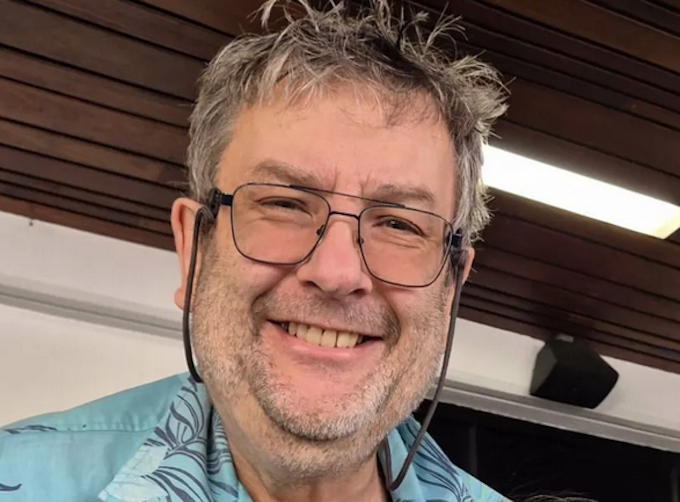
His arrest, detention, and charges have heightened anxiety among politicians, advocates and the public about FICAC and Rokoika using intimidation tactics — tactics for which the previous FijiFirst administration was accused.
“We will not interfere [with FICAC],” Rabuka told reporters in Suva when asked about the situation.
He said Fiji did not have a whistleblower policy but it needed one.
However, he added that questions needed to be asked about “how do we know that the whistleblower is genuine and the facts that they raised are factual”.
“Those are the things that will have to be considered before we formulate the policy on whistleblowing.”
Meanwhile, the case against Charters has been adjourned until March 2.
FICAC said the matter was now before the court and would proceed according to due process.
This article is republished under a community partnership agreement with RNZ.