

By Mark Rabago, RNZ Pacific Commonwealth of the Northern Marianas correspondent
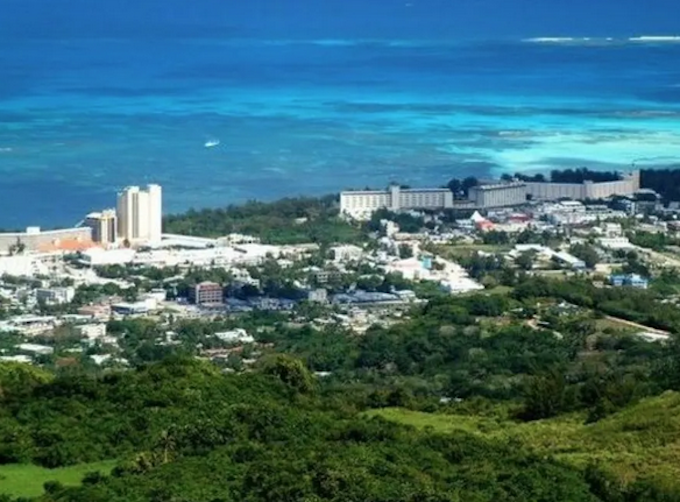
The Commonwealth of Northern Mariana Islands’ (CNMI) economic struggles are not just a local issue, but a matter of strategic importance to American operations in the Indo-Pacific, say senior US military leaders.
In a letter, dated 25 February 2026, Admiral Samuel Paparo, commander of United States Indo-Pacific Command, said he shared concerns raised by CNMI leaders about worsening economic conditions and their broader implications.
“The security and stability of the CNMI are of vital strategic importance,” Paparo wrote, warning that the islands’ civilian infrastructure and community wellbeing were “inextricably linked” to the US military’s ability to operate in the region.
He said he had directed staff to analyse proposals put forward by CNMI officials, but noted the requested federal actions fall outside his authority.
Paparo said he would elevate the issues to agencies including State, Commerce, Transportation and Homeland Security.
Paparo also backed calls for direct engagement with the White House, saying he supported “an executive-level dialogue with the Administration” and was prepared to take part.
“We are committed to the security and prosperity of the CNMI,” he said.
Expanding US presence
At the same time, military officials say an expanding US presence across the Marianas could provide longer-term economic opportunities — though not an immediate fix.
Speaking at a Saipan Chamber of Commerce forum on March 11, Rear-Admiral Brett Meitus of Joint Region Marianas said more than US$500 million in projects were underway, with additional development planned, particularly on Tinian.
“It’s going to happen over the course of several years . . . we just don’t have the capacity to do it all at once,” he said.
Meitus said the military was trying to move beyond a short-term construction surge toward a longer cycle of “build, sustain, and operate,” aimed at creating ongoing economic activity.
“Just as important is how we sustain it . . . making sure that what we build looks like it should a year, two years, five years, ten years from now,” he said.
He said future operations-including exercises and deployments-are expected to bring spending into the local economy as visiting personnel stay in hotels and patronise businesses.
“When forces come in . . . they can spend money on the local economy,” he said.
Potential benefits
Meitus also pointed to potential benefits including expanded land leases, increased exercises, more port visits and service member tourism, while acknowledging that coordination across different military branches is still evolving.
“We’re working hard to get our arms around exactly how we want to do it,” he said.
He added that the goal is to move from a project-driven boost to more sustained participation by local businesses, though he acknowledged it would not fully address the CNMI’s economic challenges.
Both leaders emphasised the need for continued engagement with federal partners, framing the CNMI’s economic outlook as closely tied to US strategic interests in the Indo-Pacific.
This article is republished under a community partnership agreement with RNZ.