




COMMENTARY: By David Robie
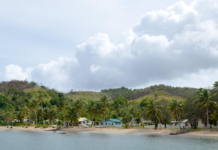
Vinzons is a quiet coastal town in the eastern Philippines province of Camarines Norte in Bicol. With a spread out population of about 45,000. it is known for its rice production, crabs and surfing beaches in the Calaguas Islands.
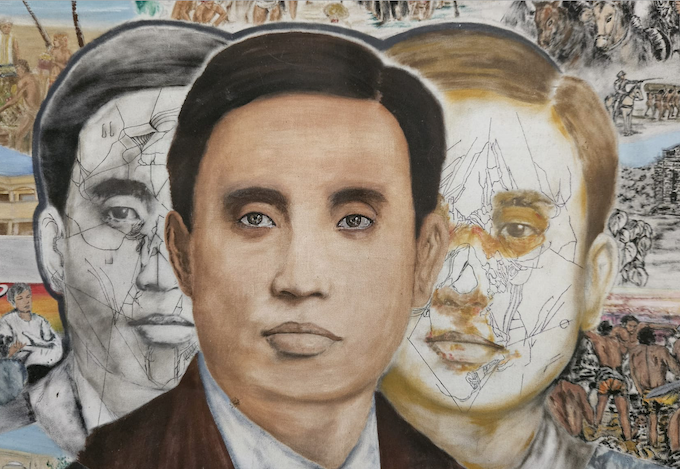
But the town is really famous for one of its sons — Wenceslao “Bintao” Vinzons, the youngest lawmaker in the Philippines before the Japanese invasion during the Second World War who then took up armed resistance.
He was captured and executed along with his family in 1942.
- READ MORE: Filipino radio storytelling and community empowerment — a Vinzons update
- Other Philippines reports
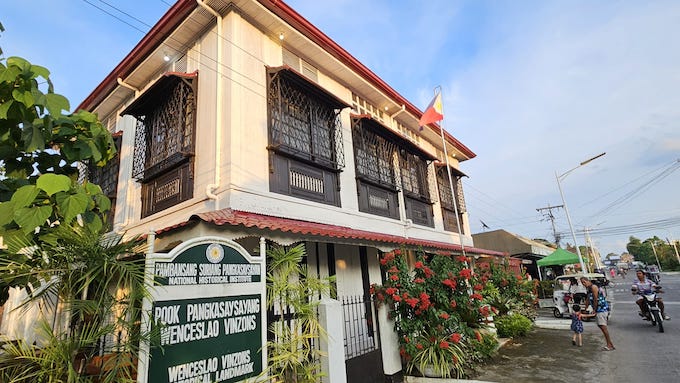
One of the most interesting assets of the municipality of Vinzons — named after the hero in 1946, the town previously being known as Indan — is his traditional family home, which has recently been refurbished as a local museum to tell his story of courage and inspiration.
“He is something of a forgotten hero, student leader, resistance fighter, former journalist — a true hero,” says acting curator Roniel Espina.
As well as a war hero, Vinzons is revered for his progressive politics and was known as the “father of student activism” in the Philippines. His political career began at the University of Philippines in the capital Manila where he co-founded the Young Philippines Party.
The Vinzons Hall at UP-Diliman was named after him to honour his student leadership exploits.
Student newspaper editor
He was the editor-in-chief of the Philippine Collegian, the student newspaper founded in 1922.
At 24, Vinzons became the youngest delegate to the 1935 Constitutional Convention and six years later at the age of 30 he was elected Governor of Camarine Norte in 1941 — the same year that Japan invaded.
In fact, the invasion of the Philippines began on 8 December 1941 just 10 hours after the bombing of Pearl Harbour in Hawai’i.
The invading forces tried to pressure Governor Vinzons in his provincial capital of Daet to collaborate. He absolutely refused. Instead, he took to the countryside and led one of the first Filipino guerilla resistance forces to rise up against the Japanese.
His initial resistance was successful with the guerrilla forces carrying out sudden raids before liberating Daet. He was eventually captured and executed by the Japanese.
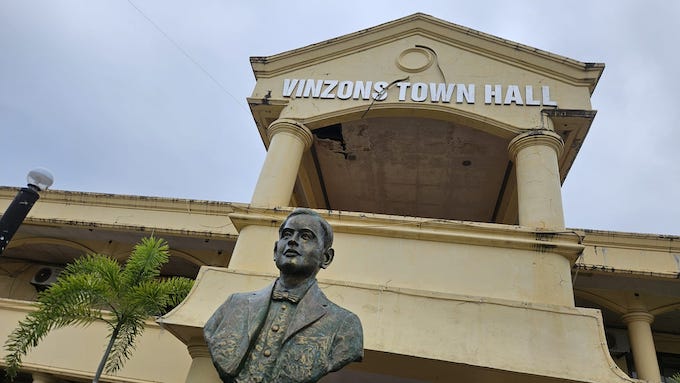
The exact circumstances are still uncertain as his body was never recovered, but the museum does an incredible job in piecing together his life along with his family and their tragic sacrifice for the country.
One plaque shows an image of Vinzons along with his father Gabino, wife Liwayway, sister Milagros, daughter Aurora and son Alexander (no photo of him was actually recovered).
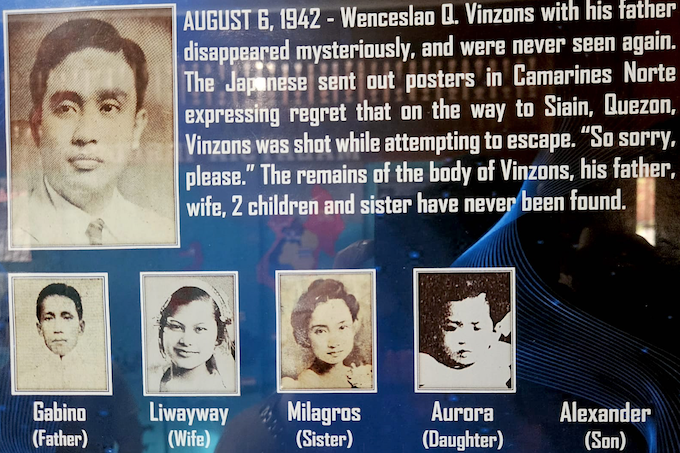
According to the legend on the plaque:
“Wenceslao Vinzons with his father disappeared mysteriously – and were never see again. The Japanese sent out posters in Camarines Norte expressing regret that on the way to Siain, Quezon, Vinzons was shot while attempting to escape. ‘So sorry please.’
“The remains of the body of Vinzons, his father, wife, two chidren and sister have never been found.”
The Japanese Empire as portrayed in the Vinzons Museum. Video: APR
Imperial Japan showcase
One room of the museum is dedicated as a showcase to Imperial Japan and its brutal invasion across a great swathe of Southeast Asia and the brave Filipino resistance in response.
A special feature of the museum is how well it portrays typical Filipino lifestyle and social mores in a home of the political class in the 1930s.
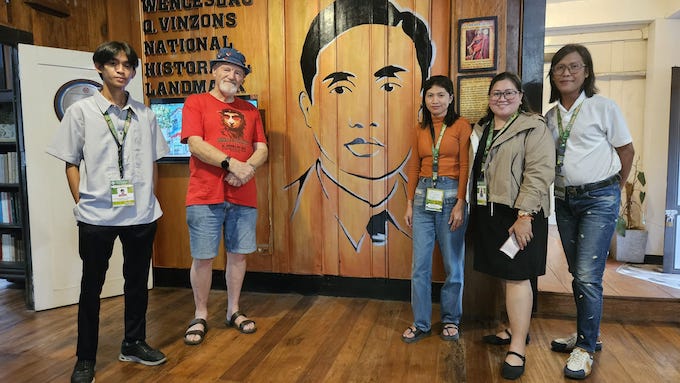
When I visited the museum and talked to staff and watched documentaries about “Bintao” Vinzons’ life, one question in particular intrigued me: “Why was he thought of as a ‘forgotten hero’?”
According to acting curator Espina, “It’s partly because Camarines Norte is not as popular and well known as some other provinces. So some of the notable achievements of Vinzons do not have a high profile around in other parts of the country.”
Based at the museum is the town’s principal Tourism Officer Florence G Mago. She is optimistic about how the Vinzons Museum can attract more visitors to the town.
“We have put a lot of effort into developing this museum and we are proud of it. It is a jewel in the town.”